
The Rome Masterpiece Fallen Angel.
The Illusion of Depth
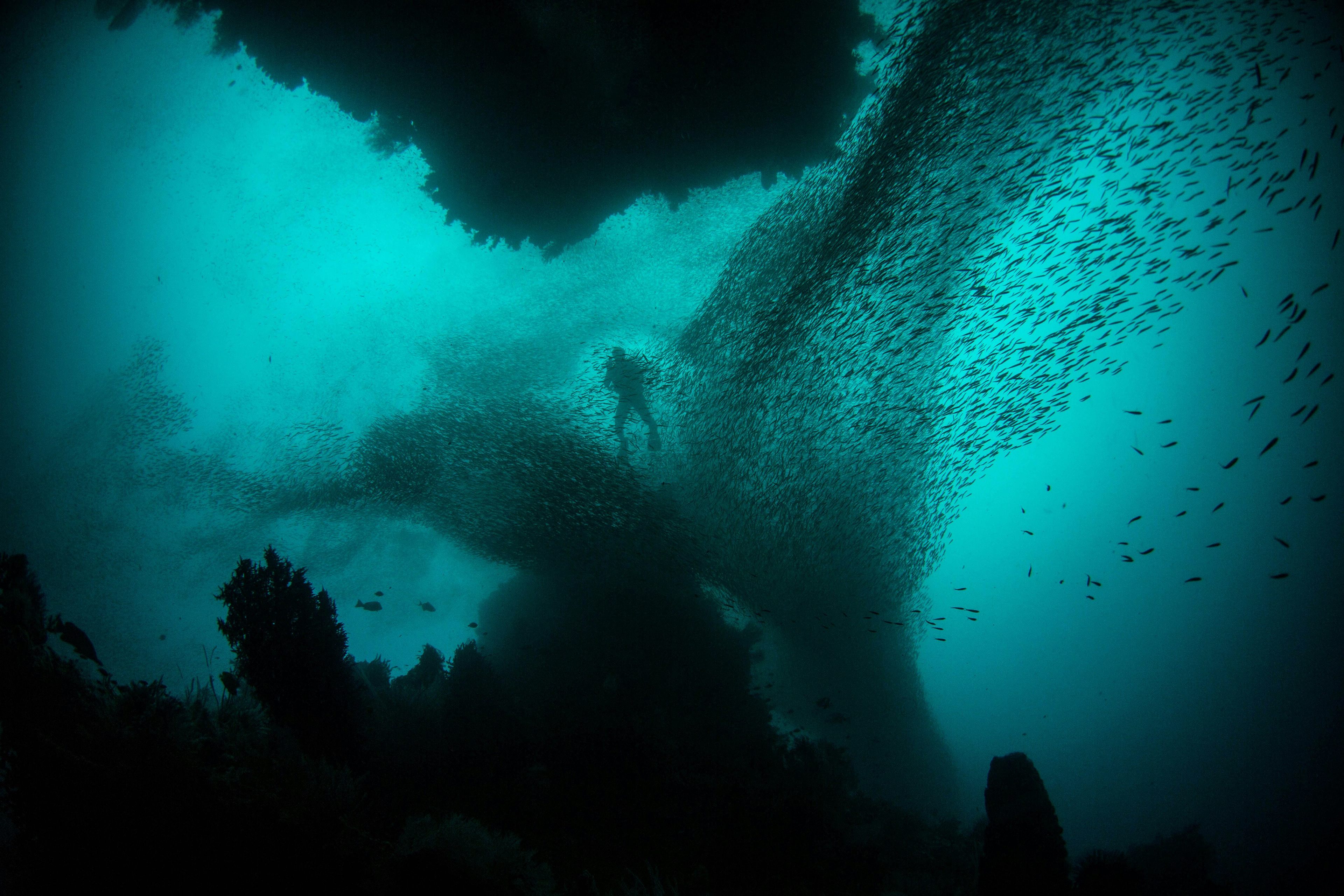
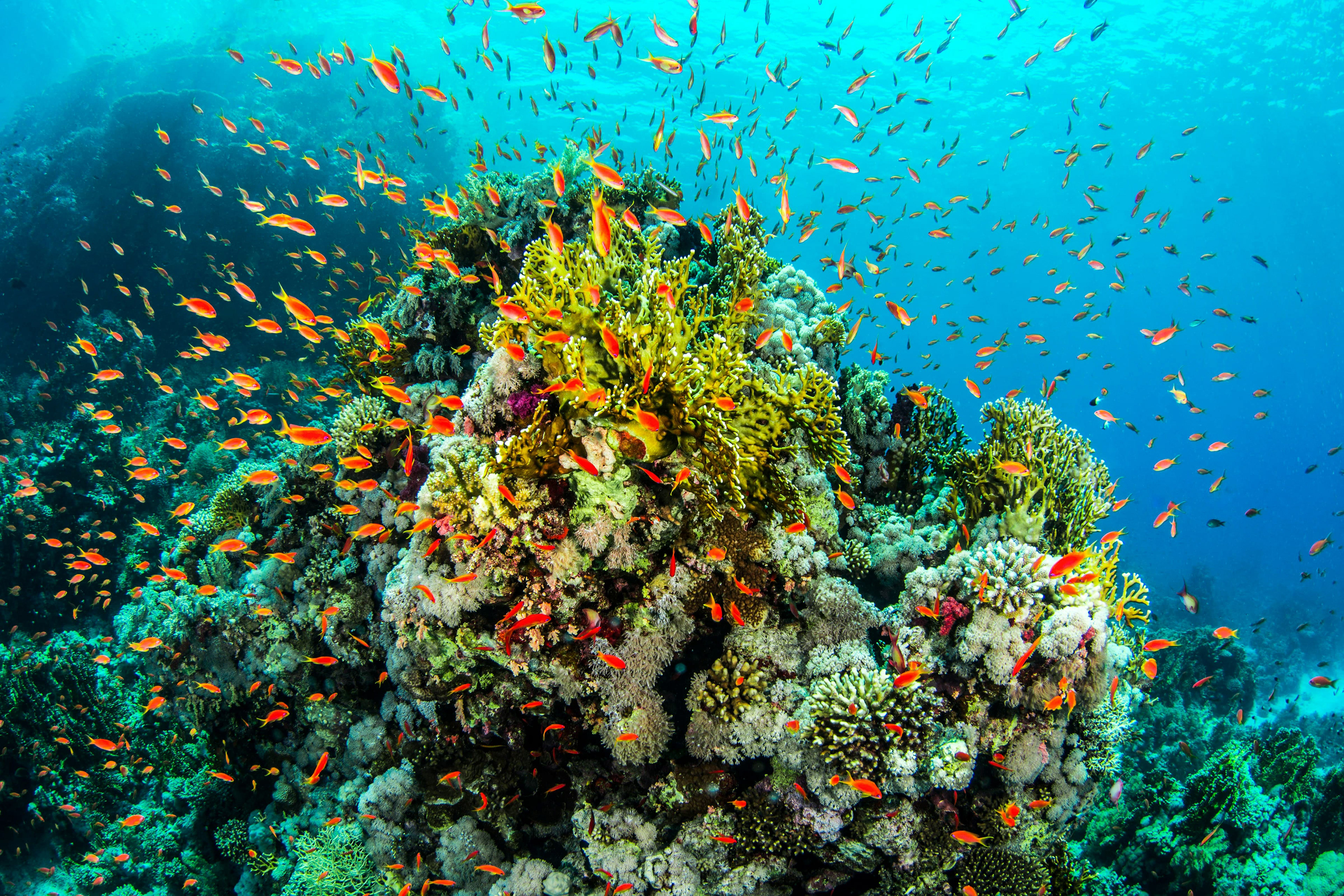
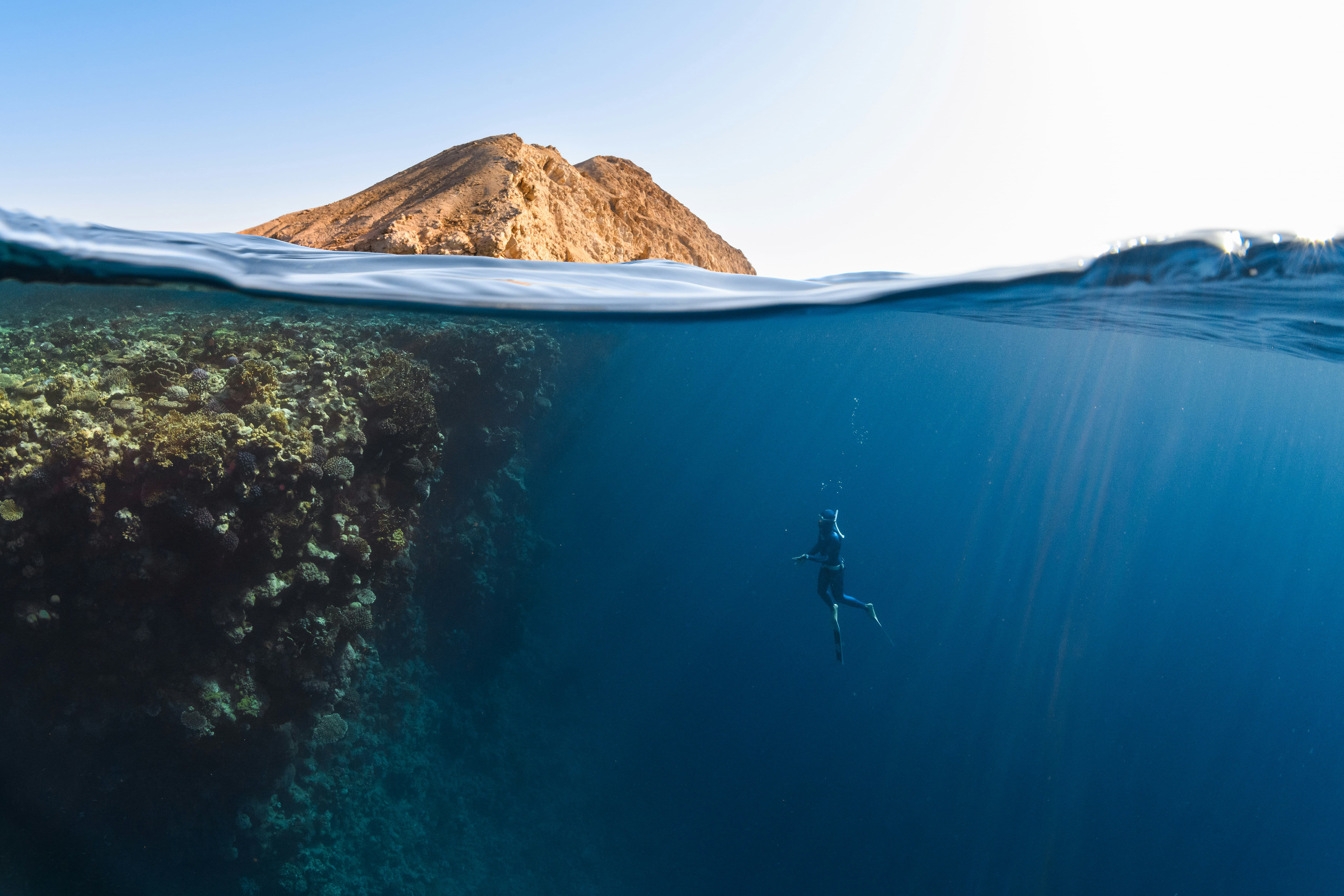
At first glance, underwater photography looks magical. Ethereal light beams, weightless movement, shimmering blues. But those images are lies of omission. At thirty meters, the ocean strips color like a thief. Reds vanish first, then oranges, then yellows. By the time you hit thirty meters, everything is green, blue, or black.That beautiful coral shot you saw on Instagram? It was either taken with $2,000 worth of artificial lights-or rescued in post with digital necromancy. The ocean doesn’t care about your artistic vision. It swallows it whole.
When the Ocean Decides
The ocean gives and takes without emotion. You can plan for weeks, test your housing, triple-check your seals—and one rogue current or careless fin kick can ruin everything.
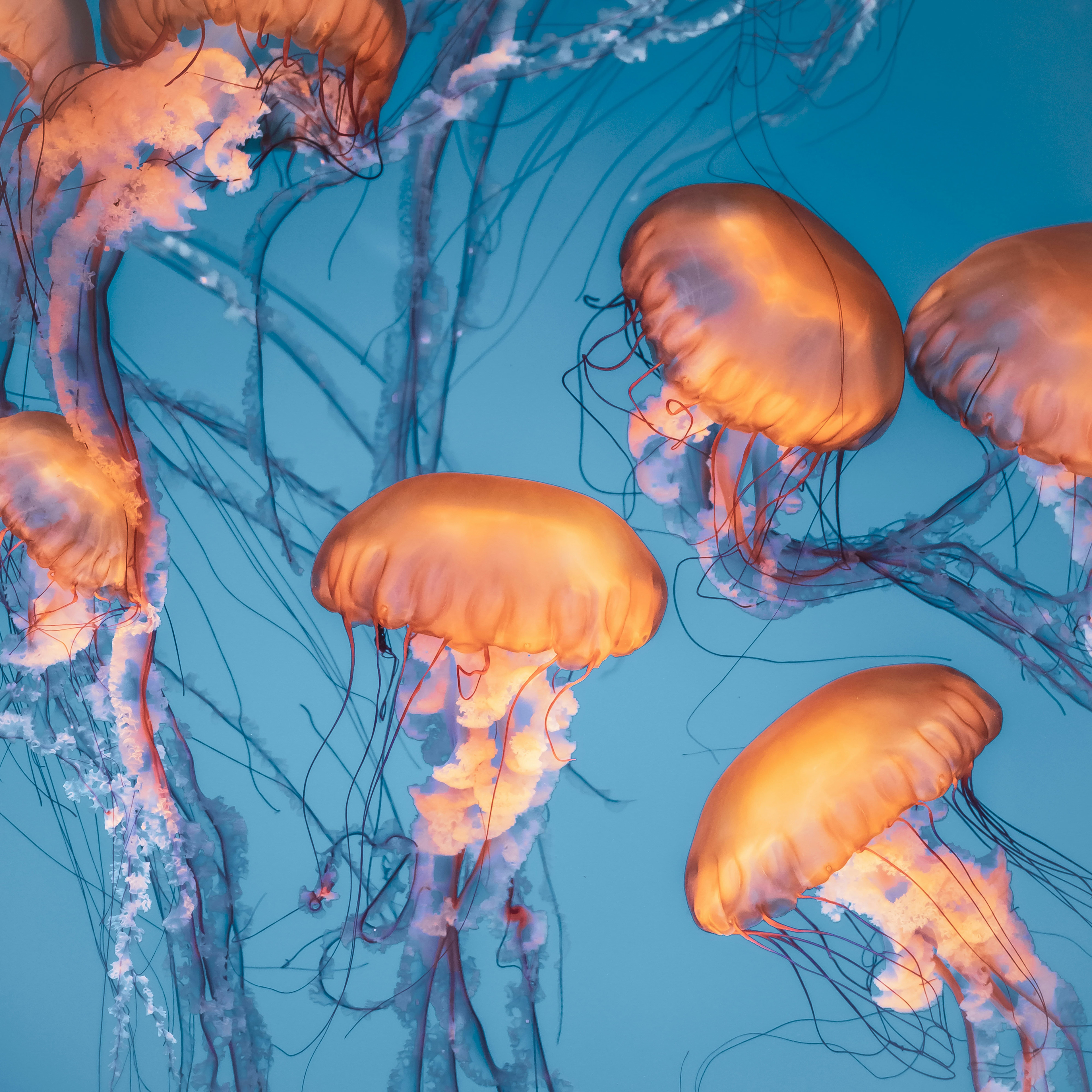
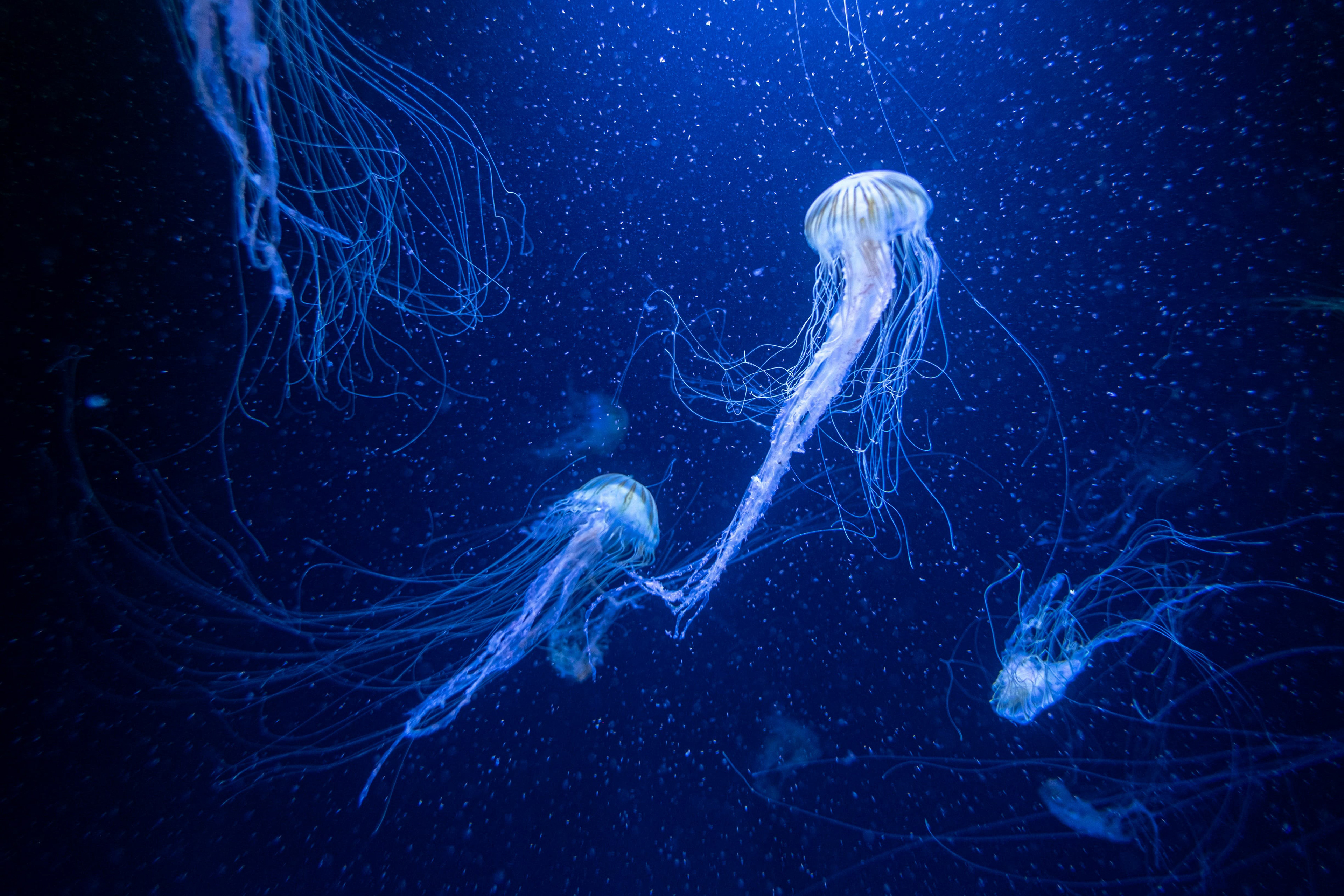
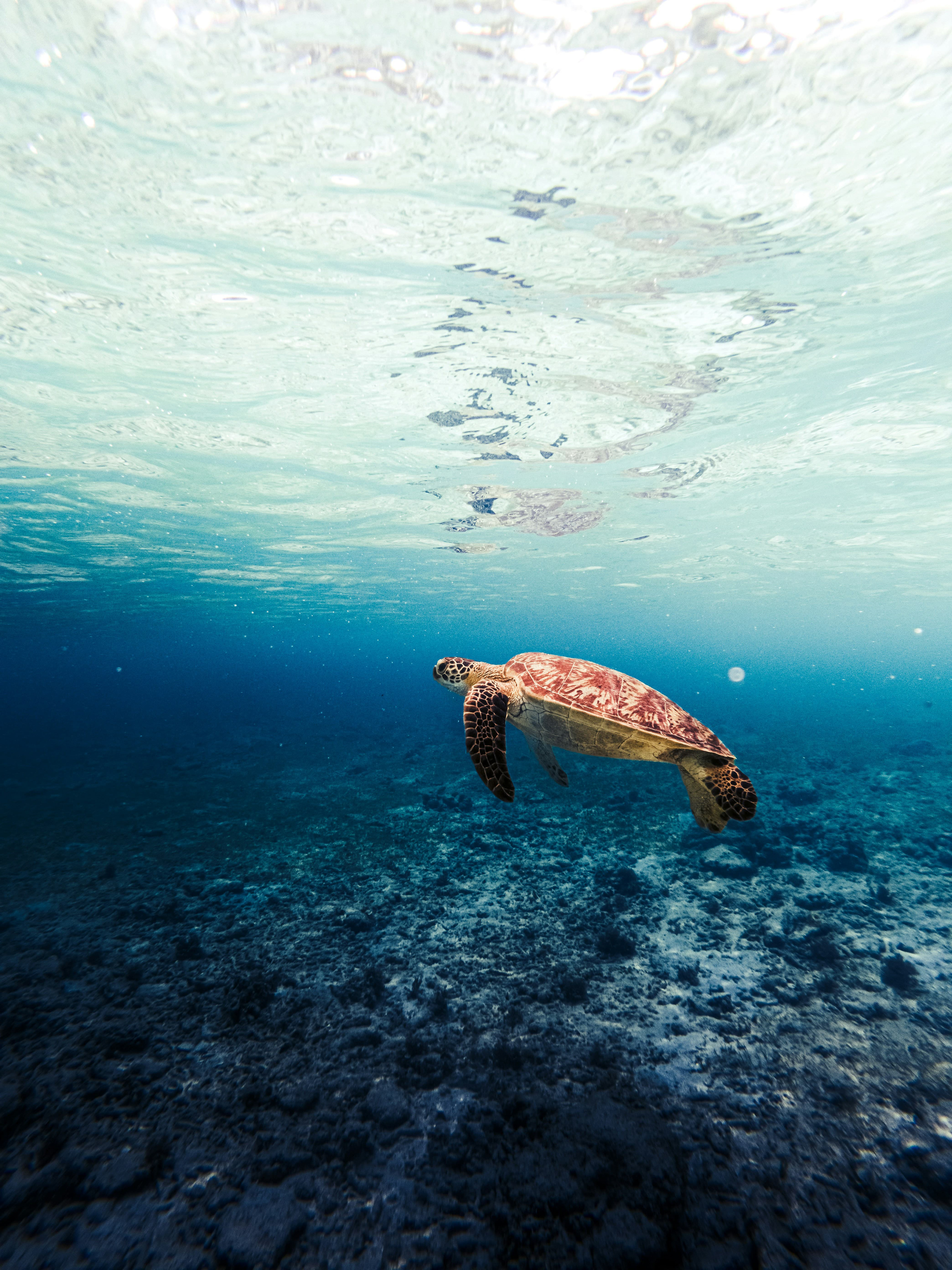
That’s the paradox that keeps photographers coming back. The ocean doesn’t play favorites, but sometimes, for a split second, it rewards the brave. A whale drifts into frame. A manta passes through a shaft of light. A diver exhales a perfect spiral of bubbles. You capture it—and for a moment, you’ve recorded something sacred.
Then your camera floods, your dive is over, and you realize: you traded thousands of dollars and hours of work for a few seconds of transcendence. And somehow, it feels worth it.

Final Word
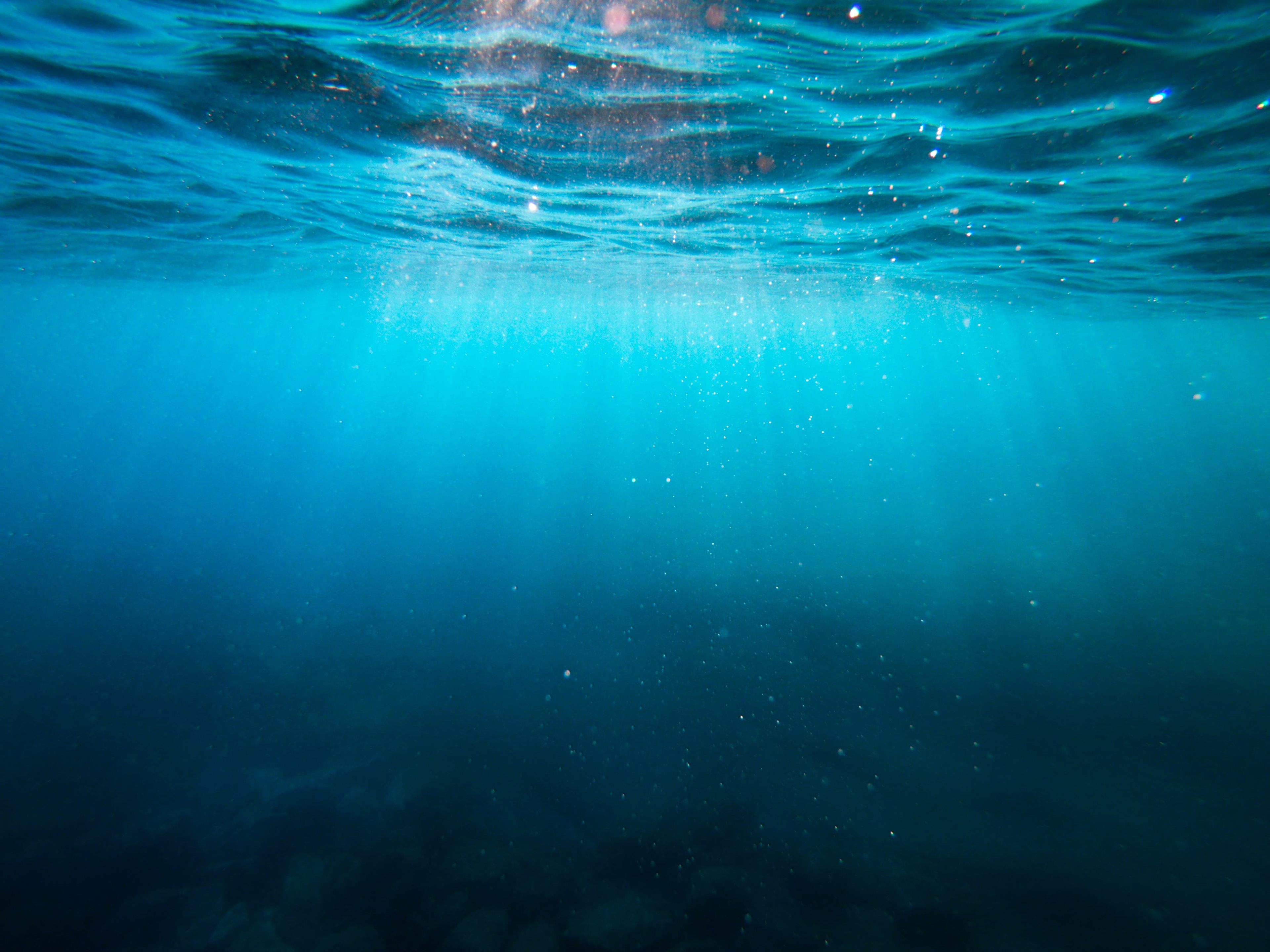
At thirty meters, there’s no audience, no likes, no applause—only silence, gravity, and light trying to survive extinction. That’s why underwater photography still matters. It reminds us that real photography is fragile. That it’s earned, not automated. That every click is a small rebellion against the elements.
The ocean will always win in the end. But while your camera still works, while your lungs still hold air, and while that last sliver of light cuts through the blue—there’s still one more frame worth taking.